January 31, 2012

Hospital Publicizes Ability to Limit C-section Births

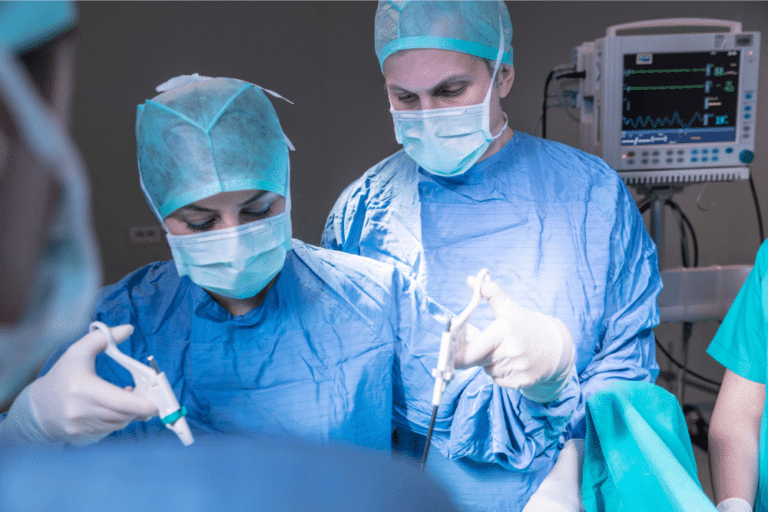
Parent Central reported this week on one hospital’s effort to cut down on C-section births. Our Chicago birth injury attorneys have written frequently on this blog about the rising concerns among some in the medical community with the increasing use of surgical births. Of course C-section births are something essential, particularly where there happens to be some complications during birth. However, the need at times for these procedures does not mean that they are always necessary. In fact, C-sections come with increased risk of certain birth injuries. That is why it is important that the rates be cut, at least when it comes to elective or optional surgical births.

The hospital profiled in this story worked hard to cut the rate, knowing that the issue was a difficult one. On one hand expectant mothers appreciate the availability of options in front of them. However, C-sections come with increased risks and a cost that is almost twice as high as that for regular vaginal births. Weighing the costs (health and financial), the hospital set a target of reducing the rate of surgical births from its current 30% rate to 25%. The hospital performs about 3,000 births a year, so reducing the level by 5% amounted to performing about 150 fewer C-sections each year.

To meet that goal the hospital considered a range of proposals. Those efforts included tightening policies for inducing childbirth for those past due and better educating patients about the benefits of vaginal births—even after having a previous C-section. After implementing the efforts the hospital reported that C-section rate was down the 5%, to their target of 25% overall. In one month the rate was down to 22%. Our Illinois birth injury attorneys know that this is a positive step which seems to involve the proper balancing of the best interests of the mother and child.

With just this one modest effort in one hospital, at least $70,000 was saved. When those benefits are multiplied in other areas, it is easy to see that significant funds can be saved while actually making patients safer and limiting preventable birth injuries.

Many advocates also believe that midwives might play an important role in getting the overall C-section rate down. Of course midwives play a growing role in natural childbirth. C-section rates among midwives are consistently lower than others. However, clients of midwives are highly motivated for natural birth, which likely skews the results. In general, midwives have C-section rates closer to 15% (as opposed to national rates which are nearing 40%). The World Health Organization actually recommends that the rate be around 15%. Of course, from a legal perspective midwives are held to the same standard of care of reasonableness which medical professionals are held. Deviation from that standard of care—if injury results—is often the basis for legal recovery. Having access to the legal system in all of these situations is critical, because the lifetime of costs from preventable birth injuries is often significant. When mistakes are made which leads to the harm, it is only logical for the one who caused the harm to play in role in ensuring the victim has access to the resources needed to recovery as much as possible.

See Our Related Blog Posts:

Dramatic Rise in Cesarean Births
Report Finds Recent Rise in C-Section Births

January 30, 2012

Hospitals Must Become “Safety First” Environments

When discussing Illinois birth injuries, our focus is usually on the inadequate conduct of the medical providers involved. Each individual case is, in the end, about the mistakes made by a single set of actors. Sometimes a doctor does not act quickly enough to respond to an emergency situation. At other times a medical provider may apply too much force, unnecessarily leading to nerve damage. Still other situation result from nurses’ inaction or failure to properly report changes in condition to physicians.

When it comes to actually going into a Chicago birth injury trial, all that matters are the actions (or lack of actions) of the individuals and companies involved in that particular case. However, when discussing birth injuries generally and the need to limit their prevalence, the discussion must be about system-wide changes. Individual mistakes directly results from human errors, but systematic problems within our healthcare system can often be thought of as part and parcel of each individual error, because those systematic problems often create environments where those mistakes become more likely.

This was the point of a recent Huffington Post story about the need for hospitals to be “safety first” environments. The article was written by a Medicare advocate who dedicated the article to the child of a personal friend whose daughter was born with debilitating injuries due to medical malpractice during her birth. The child had severe disabilities throughout her entire life and died recently at twenty seven years old.

The author reminded readers that these preventable injuries occur much more often than the public assumes. Ever since the landmark 1999 federal study (To Err is Human), however, those involved in the industry have known that tens of thousands of patients die each and every year because of mistakes made by their medical providers—including mothers and children during childbirth. The report suggested that just shy of 100,000 people died each year that otherwise would have survived had the medical care they received been up to the basic levels. Unfortunately, as the author notes, in the thirteen years since that study, few major changes have been made to actually address the underlying problems that were revealed. Instead of focusing on improvements with safety as the first priority, the healthcare industry has in some ways changed such that errors are more likely.

For example, many hospitals have been downsized and consolidated into vast complexes. In this way they are run like businesses, with profit maximization as the goal. It should not be too difficult to see how hospitals and businesses have wildly different goals. Businesses are always driven to cut costs, balancing inferior products with the market demand for cheap goods. Conversely, when hospitals act in this way—by cutting services and overextending staff members—patients ultimately receive worse care than they otherwise would. This doesn’t mean that the involved individuals ever intend to commit mistakes, but the pressures faced upon them increase the risk that potentially deadly errors actually occur. When insurance pressures are added to the mix, the risks of mistake increases even more. These companies increase co-pays, deny coverage, and then cut payments to doctors for services provided.

All discussions about preventing medical mistakes must take these system-wide problems into account.

See Our Related Blog Posts:

Birth Accident Lawsuit Reveals Extreme Emotional Pain Associated with Loss

Birth Injury Lawsuit Filed After Child Born with Cerebral Palsy

January 29, 2012

Ruling for Defendant in Birth Injury Lawsuit

Distorted views about Chicago medical malpractice lawsuits (and all tort injuries generally) have been traced to media accounts which promote only the cases where the plaintiff wins a large verdict. As we have discussed, while these cases do occur, they are nowhere near the norm. However, because they are the only cases that make any headlines, many community members get the mistaken assumption that plaintiffs always win and that verdicts are always particularly large.

Neither is true

For one thing, the average jury verdict is much smaller than the massive multi-million dollar decisions that often causes outrage. Some cases reach that amount, depending on the specific facts of the situation, but many do not. In addition, plaintiffs do not always win trials. After all, in any case plaintiffs have a higher burden of proof. Therefore if a jury member hears the evidence and is genuinely split 50-50 as to whether the defendant acted negligently, then they are obligated to find no liability. Contrary to what tort reformers would have you believe, trials often result in a verdict for the defendant—it simply depends on the specific of a case and the available evidence.

For example, the TC Palm News reported last week on a birth injury lawsuit that had been filed by a mother on behalf of her son. The suit alleged that the hospital which provided her care during her birth was negligent, leading to a birth injury which caused her son’s permanent disabilities. The family was seeking recover for the three-year old son, who will need close, lifelong care, because the family believes that the doctor did not adequately monitor the mother before she delivered the child via C-section. Tissues in the mother’s reproductive organs tore before the birth, which endangered the life of the child and mother.

In medical malpractice cases (and all tort cases), forseeability is an important concept in determining whether or not a professional was actually negligent. If a certain outcome was simply not forseeable, then the involved actions are unlikely to be deemed negligent. The main issue in the case was whether the tear in the mother’s tissue was foreseeable. As is often the case in these cases, experts testified explaining both sides of the situation. Both sides were then able to question the other side’s expert so that jury members could see if there were any inconsistencies or weakness in the information provided. From there they were able to ultimately decide whose version they found more credible. In this particular case the jury ruled that the tear in the tissue was unforeseeable, or at least that unforeseeable beyond a preponderance of the evidence. Either assessment required no liability finding.

When it comes to trial practice, having an experienced attorney can make all the difference. The evidence cannot be changed, but it is still very important that the available evidence is presented to a jury in the most appropriate and clear manner. Failure in this regard often means that cases are lost which otherwise should have provided justice for a victimized family. If you are going through the process of deciding upon an attorney to take your case, be sure to examine the legal team’s past records and experience levels to ensure that you will be putting your best foot forward from the start.

See Our Related Blog Posts:

$144 Million Birth Injury Verdict & Talking Points Against Tort Reform

Chicago Birth Injury Lawsuit Ends in $7.5 Million Settlement

January 28, 2012

Progress Made on Slowing Early Elective Deliveries

Over the past few weeks our Chicago birth injury lawyers have frequently discussed the concerns raised by medical experts and other advocates regarding the rise in early elective deliveries and C-section births. This week the Wall Street Journal’s “Health Blog” also touched on the topic. The WSJ post explored a bit of good news, noting that there has been some progress in the quest to slow down the seemingly non-stop increase in elective deliveries.

The slight reduction in these births, experts claim, can be attributed to an awareness campaign that is working to share information about the risks of alternatives to natural birth. The goal is that all expectant mothers will learn about the value that a few extra weeks of gestation has on the health of a newborn. Sometime a child needs to be born before 39 weeks gestation for medical reasons. However, when there is no clear medical necessity, electing to birth the child early usually has more risks than potential benefits. The health consequences are the most important, but financial issues are also at play. Early elective births are more expensive than other options, and with no need for the early election it is difficult to justify the expense.

A new report from The Leapfrog Group suggests that early induced labor and C-section rates are dropping—but only very slowly. However, even avoiding an increase in these rates should likely be viewed as a positive step. According to the report, which examined data from over 750 hospitals nationwide, 39% of hospitals met their target reduction plan in early births. The target was to reduce early elective deliveries to 5% of total deliveries. The fact that roughly 4 out of 10 participating hospitals were able to do that is encouraging. That is especially true because the average rate from the year before was 30% of all birth. Even those that didn’t’ quite meet the target saw some improvement with 65% of all hospitals showing decreases in 2011 from 2010. It remains unclear whether there was anything about the participating hospitals that are different from hospitals nationwide.

In the past many OBs have made the mistake of sacrificing child development in the 37th to 39th weeks of pregnancy in exchange for having more control over the delivery time. In the end, this is a mistake that may lead to increases in overall birth injury rates. It is also a mistake for doctors to pressure woman into having an induction. As the executive director of Childbirth Connection explained, there is “no reliable national data [showing] that woman’s demands [are] driving” the increase in induction rates.

Our birth injury lawyers understand that at the end of the day the absolute best delivers are those that occur naturally without early election or surgery. Medical technology advances which allow alternatives are fantastic for those mothers who for various reasons may have too many risks with natural birth. However, the benefits of these techniques for some does not mean that they are worthwhile for all. In fact, just the opposite is often true. C-sections and early elections can increase risks of either the child or mother suffering a birth injury. All local families are advised to be fully aware of this when working with their doctor to chart the best course of conduct for their pregnancy and delivery.

See Our Related Blog Posts:

Dramatic Rise in Cesarean Births

Report Finds Recent Rise in C-Section Births

January 27, 2012

Group of Individuals with Cerebral Palsy File Suit Against State

When our Chicago birth injury lawyers take on a new case, virtually all of the time the focus is on helping the injured child in the future. Contrary to the skewed portrayals made by those who constantly attack the justice system, these suits are not about “revenge” or “anger” or “making a quick buck.” At the end of the day, there are usually two clear purposes: (1) ensuring that the victims will actually have access to the things they need to recover from the harm they received, and (2) to ensure that steps are taken at the negligent facility to lessen the chance that a similar error will occur in the future.

Large jury awards are often scoffed at by some who don’t understand how the process works. For one thing, those awards do not occur nearly as often as is believed. But perhaps even more importantly, the actual costs of dealing with the consequences of these birth injuries over the course of a lifetime reach high figures quite easily. Families who have children suffering from conditions like cerebral palsy, for example, can readily explain the costs that are associated with the extra care that the child victim needs.

Our Illinois injury lawyers firmly believe that it is the duty of those whose errors cause such injuries to pay for the consequences of their actions. Failure to do otherwise leaves these individuals (and their families) in incredibly tight situations, often depriving them of available opportunities to improve the victim’s quality of life simply because of a lack of resources.

Perhaps nothing demonstrates this more than legal steps that are being taken on behalf of certain individual with disabilities who are fighting to have basic concerns met by state officials. For example, Oregon Live reported that the United Cerebral Palsy Association of Oregon is joining a class-action lawsuit against the state. The suit alleges that forcing these individuals with disabilities to spend their days in “sheltered workshops” where they complete rote tasks for less than minimum wage should be ended. The advocates are concerned that these programs do little to provide actual training or advancement to these community members. This ultimately may have significant effects on the individuals’ quality of life and overall well-being. One of the named plaintiff described her day as one where she sits in a room with 100 other people putting parts into boxes, folding bags, and packaging gloves. At some points the woman receives less than forty cents per hour for the work.

As this situation demonstrates, many community members will disabilities like cerebral palsy are forced to engage in complex legal battles just to receive a reasonable level of care and have basic opportunities afforded to them. It is imminently reasonable for a family to demand that the individual and institutions who caused a certain disability to ensure that the victim receives the level of care they need without being forced to scramble to receive less than acceptable treatment at the state’s expense. Our birth injury lawyers strongly believe that this comes down to basic fairness, a concept that people on all sides can understand.

See Our Related Blog Posts:

Cerebral Palsy Primer: What It Is & When It Arises

Birth Injury Lawsuit Filed After Child Born with Cerebral Palsy

January 26, 2012

Fourteen Year Battle Continues for Woman Who Gave Birth in Jail Cell

Our Illinois birth injury lawyers most often deal with cases that are related to Illinois medical malpractice, where a mother and child do not receive adequate care during delivery. However, in some limited circumstances a birth injury lawsuit may be filed based on theories outside of the medical malpractice context. For example, the Boston Herald this week discussed a drawn out legal fight by a woman who claims that she was forced to give birth to her child while lying on the floor of a jail cell. The case therefore is not based entirely on inadequate care by medical professional but essentially on no care being provided as a violation of her civil rights.

The case is a drawn-out one, as the plaintiff in the suit gave birth to her child more than fourteen years ago. It was only later that she filed a federal lawsuit claiming that those around her refused to believe her protestations that she was pregnant. Instead, jail guards dismissed her claims as ramblings by a mentally ill woman.

The woman ended up in the jail cell in 1997 because she was arrested for sleeping on a bench at a Metro bus stop. The woman admittedly had mental problems at the time of the incident. The lawsuit that was filed claims that health officials at the jail noted that she was in the advanced stages of pregnancy but they did nothing to account for her condition. Instead she was apparently put in a jail cell and left there for six days. It wasn’t until the woman actually gave birth to the child on the floor of the cell that a guard heard the newborn’s cries and called for help.

In responding to the allegations, the state’s jail-practices expert noted that the guards likely acted in the way that they did because they did not believe the woman’s claims because of her mental illness. However, the woman’s plaintiff attorney alleges that anyone could have known that the woman was pregnant simply by looking at her.

The lawsuit does include some allegations of medical malpractice—on the part of the jail health officials—but it also includes claims of basic negligence and civil rights violations for the overall way that the woman was treated. In addition, the suit makes claims that the tragic situation in this case was part of a pattern of behavior at the facility which has found that life-threatening deficiencies in medical caregiving to jail inmates was a routine occurrence. It is alleged that routine medical screenings were simply discontinued if the inmate was uncooperative, which led to the troubling situation here. The victim was uncooperative as a result of her mental illness which produces delusions and makes it difficult for her to care for herself.

The victim’s mental condition is sporadic, as she has moments of clarity before falling back into debilitating delusions. On another occasion, while in a 23-hour lockdown in the jail’s psychiatric ward, the victim allegedly told a nurse that she was pregnant and worried about her baby. However, the nurse explained that she thought the woman was lying “in order to get an extra sandwich.”

See Our Related Blog Posts:

Woman Sues Sheriff for Treatment During Birth

Trial Begins in Lawsuit Where Inmate Gave Birth Alone in Cell

January 25, 2012

Doctor Joins in Call to Limit C-Section Use

Discussion about the merits, drawbacks, and concerns related to C-section births continues across the blogosphere this week. Yesterday the chairman of the Department of Medicine at Cedars-Sinai wrote an editorial in the Huffington Post reiterating the risks of C-section births, particularly for those mothers who have already had one performed. Our Chicago birth injury attorneys have long been attuned to these concerns. It is vital that medical caregivers (and expectant mothers) take heed of these warning to ultimately ensure potential complications during delivery and birth injuries are minimized.

The doctor explained that C-section births currently account for just short of 33% of all births in the United States. The number has been rising over the years, but it remained steady for the first time ever in the last two years. While the stall in the increase is encouraging, much more work needs to be done to get the level down to that where it is performed only when absolutely necessary. To keep this decades-long problem into perspective, in 1970 the rate of C-section birth was only 5%. This increase is a problem because, as the chairmen of the Department of Obstetrics and Gynecology at Cedars-Sinai noted, “despite the rise in the number of C-sections, there is no evidence that it has improved the health of mothers or babies.” In fact, as our birth injury lawyers have pointed out recently, there has been an increase in the number of maternal deaths in recent years.

After noting that there are many different reasons for the increase, one disturbing factor is that there has been a shortage of vaginal births after C-sections. These procedures, known as VBACs, have lost fashion in the medical community under the idea that “once a C-section, always a C-section.” Right now only 8% of the women who have had a C-section once give birth vaginally afterwards. C-section births are inherently more risky than vaginal births, because they come with the potential for surgical complications otherwise not present in vaginal births.

The story’s author notes that those VBAC rates are far lower than they need to be. Those medical facilities that prioritize VBACs have been able to safely increase the rate from 8% to 35%. In the past research has suggested that there are increased risks of certain birth injuries (such as uterine rupture) when woman have VBACs. Obviously those concerns must be taken into account. However, newer research from the American College of Gynecologists and Obstetricians release new information which explained that better identification of risk factors among VBAC candidates can allow those risks to be eliminated.

Interestingly recent expert panels have explained that those who go through labor after a C-section have a decreased risk of maternal death. This is true whether one continues through with the vaginal birth or whether a C-section is ultimately required. At the end of the story the doctor notes that a C-section “remains a major surgery with major risks.” Therefore pregnant woman should fully explore all of their options with talking with doctors about how they’d like to proceed.

See Our Related Blog Posts:

Dramatic Rise in Cesarean Births

Report Finds Recent Rise in C-Section Births

January 24, 2012

One Aspect of Medical Malpractice Tort “Reform” Thrown Out By State Supreme Court

In the eyes of many, “tort reform” is thought of as a synonym for damage caps. It is true that arbitrary limits on damages are the most common and well-known aspect of most tort reform efforts. However, as any medical malpractice lawyer can attest, the other aspects of tort reform can be just as harmful to the rights of injury victims of all kinds. Damage caps affect plaintiffs after a favorable verdict has been announced. Other tort reform efforts seek to strike at plaintiffs even before that point, namely when the lawsuit is being filed and when the arguments are being presented to a jury.

Many tort reform packages proposed by legislators impose a combination of ideas, all of which work to the disadvantage of injury victims and the advantage of big companies and insurance interests. However, as each Chicago birth injury attorney at our firm typically argues, all of these efforts are absolutely unnecessary and virtually all clearly violate various constitutional protections. Constitutions divide power among three branches of government for a reason, because a separation of powers is deemed fundamental to our system of governance, at both the state and national levels. The judiciary is charged with interpreting laws and implementing a system to actually adjudicate disputes. When the legislative body seeks to encroach on that function, the effort has to be stopped. All forms of medical malpractice “reform” are unnecessary and unconstitutional encroachments into the sphere of the judiciary.

That is exactly what one state court recently determined when it struck down a tort reform provision. The Arkansas Supreme Court ruled last week that narrow requirements about who is allowed to testify in medical malpractice cases constituted an unconstitutional violation of the separation of powers doctrine. The particular provision in question allowed only those doctors who were of the exact same specialty as the defendant to testify in these cases. This had proven to be particularly burdensome, because some courts (and defense attorneys) used the law essentially as a loop-hole to get meritorious claims thrown out of court. It is often very difficult to get an expert witness with the exact same credentials to testify, and there is ambiguity concerning the degree of similarity sufficient to meet the law’s demand.

Fortunately, the high court in this state rightly identified that it is not the business of the legislature to make blanket requirements on the witnesses necessary to allow a legal matter to move forward. The functioning of the court system in this regard must be left to the courts themselves.

In any event, it is clear that this law—and others like it—are pushed not for their fairness, but as yet another way for big interests, like the medical lobby and insurance companies, to keep more money in their pockets. The whole point of a jury system and adversarial trial process is to root out truth. The expertise of medical witness clearly plays a role in that process. But, if an expert truly is not capable of speaking intelligently on a topic, then that weakness can be fully exploited by a defense attorney when explaining to a jury why the expert’s analysis is incorrect. There is no logical reason to cut the process off beforehand and not even allow that witness to testify. But tort reform efforts are not about logic. Instead, they are based on chronic defendant’s desire to have shortcuts to avoid having to defend themselves altogether, even when their actions cause significant injury to others.

See Our Related Blog Posts:

State Court Throws Our Medical Expert Testimony Limitation in “Tort Reform” Law

Judicial “Hellhole” Report is a PR Stunt

January 23, 2012

Study Finds Patients Do Not Push for C-Section Births

The rise in C-section births continues to raise alarm bells among all those interested in preventing Illinois birth injuries. Our Chicago birth injury lawyers know that it can be a tricky issue, because there are times when the surgical birth is absolutely necessary to save the life of a child or mother. However, the fact that they are necessary some of the time does not at all mean that they are safer all of the time. The truth is that on the whole these surgical births are far riskier than natural childbirth, and they should not be undertaken when not necessary.

Yet, there seems to be a notion that cesarean section births are simply one choice that mothers can make without much effect on medical risks one way or another. As we reported last week, the shockingly high maternal mortality rate in the United States is likely caused in part by the rising use of C-section birth—upwards of 50% of all births in some locations.

Interestingly, a new study summarized in Top News found that doctors likely bear much of the blame for the rise in C-section use. Some had previously argued that the rise was likely due to mothers who wanted to avoid the pain of childbirth and instead go with the “easier” C-section option. But the results of a new study found that not to be the case. The research included analysis of the births for 22,000 women over a two year period. Researchers found that more than half of those who had cesarean section births did so because their doctors told them to, not because they preferred it to natural childbirth.

This raises a range of questions about what exactly is leading doctors to push for more C-section births.

Of course, any Chicago medical malpractice lawyer knows that the finger will first point to medical malpractice lawsuits. As is usually the case, some in the medical community try to tie any and all problems with the medical system back to groups not actually in the medical community—namely lawyers. Finger pointing is nothing new when it comes to certain industry’s shifting blame, but it particularly damaging here because lives are on the line.

Lawyers are not in the delivery rooms and have zero influence on what happens in any individual case. Instead, in each case lawyers are only involved the fact when a patient has been hurt because they received treatment below a reasonable level of care. That standard of care is based on what other prudent practitioners would do when faced with the similar circumstances. Obviously there are no rules that dictate whether or not one is immune from liability because they perform a c-section birth. Instead, the law is simply asks doctors to act in reasonable ways considering the information that is in front of them. Sometimes that might be to encourage a c-section, at other time it might not be. In most cases the decision will involve the weighing of the risks with the potential benefits. There is no inherent reason why this weighing of the factors should be skewed by the civil justice system and force doctors to make poor decisions when it comes to advising on c-section risks.

See Our Related Blog Posts:

Dramatic Rise in Cesarean Births

Report Finds Recent Rise in C-Section Births

January 22, 2012

Educating Children with Cerebral Palsy Requires Individual Focus

Many community members may not understand that certain well-known birth injuries, like cerebral palsy, actually refer to a series of potential conditions. Cerebral palsy is actually a category of injuries that commonly refer to problems affecting one’s movements, posture, balance, cognitive development, and other nervous system functions. Each of these problems can arise in varying degrees, often because of developmental disabilities or through oxygen problems to the child’s brain during its delivery. When the problem was caused by oxygen deprivation during the delivery, it may have actually resulted from negligent conduct on the part of those providing the care. If that is the case, then our Chicago birth injury lawyers know that those involved can be held liable for the misconduct. Those parties are then rightfully required to provide compensation for the losses suffered by those involved.

Families who file these suits do so because they want to ensure that their child has access to all possible resources that will allow them to reach their full potential. Of course children with cerebral palsy will face many challenges in their lives that other children might not face, but that does not mean that cerebral palsy victims do not have the same opportunity to learn, grow, and thrive as others. Having access to the specialized resources necessary to reach their potential, however, is something with which many families struggle. It is always heart-breaking to see a child who is not able to grow as much as possible because they are not receiving the one-on-one specialized care necessary for their full development.

A Fox News article this week discussed the special education needs of those with cerebral palsy. Because cerebral palsy actually refers to a group of disorders and the overall disability of victims vary along a spectrum, the education needs of children with cerebral palsy are quite varied. Some children with milder symptoms are able to be educated in a general education classroom while others require special classroom assistance.

No matter what the case, education experts explain that all of a child’s symptoms need to be addressed cohesively. That means that occupational therapy, physical therapy, speech therapy, and other early intervention services must be accounted for on top of regular classroom learning. All of it works to strengthen the child’s motor and communication skills (on top of academics). Coupled with that, many communities have found it incredibly helpful to also work on building up a child’s self-care and daily living skills. Independence is always an issue with many cerebral palsy victims, and so all steps that may help a child be able to live more fully on their own are positive.

Our Chicago birth injury attorneys are well aware that properly providing this care is not cheap. Even things like the design and structure of a physical classroom must be accounted for when considering this type of education. The child’s motor skills need to be kept in mind with these educational spaces so that they are able to move about freely without being exposed to certain safety risks. Thing like modified pencils and paper, communication aids, and similar devices are also often necessary to ensure that the child is given as good as chance as possible to grow academically.

See Our Related Blog Posts:

Cerebral Palsy Primer: What It Is & When It Arises

Birth Injury Lawsuit Filed After Child Born with Cerebral Palsy

January 20, 2012

Disturbing Stats About American Mothers’ Risks During Delivery

The News-Register published a disturbing story this week which suggests that birth injuries are more likely to strike mothers in the United States than in most other places in the western world. The Illinois birth injury lawyers at our firm have often discussed how even though the term birth injuries usually refers to harm to a child, they can also include harm that mother’s experience during delivery. When that harm is preventable, then a birth injury lawsuit may be appropriate.

The News-Register story discusses the surprising fact that, even with our apparent advances in technology, women in the United States are more likely to die during childbirth than nearly every other developed country. Some of the overall stats are downright shocking. Worldwide, maternal mortality declined almost everywhere over the last twenty years. However, in the United States they doubled.

How could this be?

Many experts are actually pointing the finger at technological intervention in births which can be more dangerous than natural childbirth . For example, while delivering a child via cesarean section may be convenient for the doctors or the family, these surgical births often have more risks than regular births. This is why our Chicago birth injury lawyers have blogged frequently on the troubling rise in cesarean birth rates. More than one third of all births in the U.S. are delivered surgically. This is shocking, because surgical births should actually only be performed when necessary in certain emergency or high-risk situations. A midwife interviewed for the story explained, “Cesarean section is meant to be sort of a last resort, when there’s no way the baby is going to be born alive otherwise or the mother’s or baby’s life will be endangered.”

Interestingly, some also claim that the increase in C-section rates can be tied to unnecessary excesses in fetal monitoring. In theory the monitoring is suppose to allow the doctor to measure the baby’s health throughout the birthing process. However, some evidence suggests that the monitoring actually does not improve delivers. Instead it may cause doctors to panic and order unnecessary c-sections which then have the increased potential to harm the mother.

Beyond cesarean section rates, experts also believe that lack of access to health care is also part of the problem. When pregnant women do not receive proper pre-natal care or have familiarity with certain medical teams during delivery, then the chance of potentially deadly consequences rise. The problem is most stark when it comes to post-partum care—in the days and weeks after the birth. More than half (55%) of all maternal death occur more than 24 hours after the birth.

Finally, the rising age and obesity of mothers is a factor in the maternal death rates. Complications during birth are always more likely when a mother is older or is herself in poor health during the birth. However, our birth injury attorneys know that these factors do not necessarily remove all potential liability for a medical professional if they fail to act reasonably during the delivery. In other words, mothers who are older or have other health problems should not automatically assume that any problem they experience during the delivery was a result of their own situation and not other potential errors.

See Our Related Blog Posts:

Dramatic Rise in Cesarean Births

Report Finds Recent Rise in C-Section Births

January 20, 2012

New Study Finds Pre-Birth Neurological Activity Affects Brain Development

It seems that every day bring new information about birth injuries—preventing them, treating them, and everything in between. For example, just this week the Yale Daily News discussed a new effort at the university which uncovered more information about how and when neural circuits between the brain and the eyes are created in a developing child.

Specifically, as reported in last month’s Nature Neuroscience, a research team has found that activity inside the womb actually affects the development of the neural wiring between the eyes of brain of the fetus. Essentially, using newborn mice, scientists discovered that even the closed eyes of an unborn can produce message which are then sent to the brain to help ensure that the wiring system between the eyes and brain develop properly.

This is big news, because while this sort of early development was previously speculated, it is the first time that researchers had been able to actually manipulate the temporal patterns of eyes in vivo and analyzed the brain wiring effect. Previously medical professionals assumed that the child was born, exposed to the environment, and then that exposure influenced the neural activity in the brain. But now we know that it occurs earlier. Scientists believe this may ultimately prove to have implications for preventing problems like autism, which may be caused by “miswiring” in the brain.

In addition, the development process is thought to be similar for other parts of neural circuit, including the spinal cord. What this means is that activity within the womb actually affects more parts of the child’ brain development than previously thought.

Our Chicago birth injury attorney follows all of these developments in research because down the road they may influence birth injury lawsuits in a variety of ways. Here are two…

1) The more we know about how injuries develop and what can be done to prevent them, the standard of what constitutes “reasonable” behavior by medical professionals changes. Most birth injury lawsuits are essentially medical malpractice lawsuits where negligence is alleged. The victims are seeking redress because a medical professional who owed them a reasonable duty of care breached that duty and caused harm. When trying to prove what constitutes a “reasonable” care, lawyers are forced to show what other doctors would have done in the same situation based on commonly understood medical knowledge and practices. Those practice and that knowledge changes as new advance in medicine are made. Consequently the arguments about whether a breach did or did not occur are also altered.

2) In addition, besides allowing medical professionals to prevent injuries in more situations, advances in medicine also lead to better treatment options for victims. In this way the research may play a role in what damages are asked for and awarded following one of these cases. How much a victim receives in a case is influenced, in part, by the costs associated with their long term care and the permanent harm that the injury has caused them. Both of those things can be affected by improved treatments options for victims. Injuries that were previously permanent may no longer be permanent. Also, families may also want resources so that they can pursue treatment option that were previously unavailable.

See Our Related Blog Posts:

Simple Heart Defect Screenings May Save Infant Lives

New Research Gives Hope to Those Seeking Cerebral Palsy Prevention

January 19, 2012

Infant Brain Injuries During Birth

As we discussed earlier this week the most common Illinois birth injuries are those that involve brain damage and those caused by the application of excessive force during delivery. In many ways brain injuries are perhaps the most severe type of birth injury, because they ultimately limit the mental development of a child indefinitely. Excessive force often causes nerve damage that may result in children not be able to use limbs properly or at all. However, brain injuries often deprive children of their ability to create memories, learn properly, communicate, and otherwise become fully integrated into society. Of course that is not to say that injuries like shoulder dytocia and brachial plexus injuries are not severe or necessary of full redress. They are always incredibly tragic and our Chicago birth injury lawyers have worked with many families whose children have developed these injuries because of the negligence of others. But at the end of the day there are certain physical injuries that are more easily compensated for than mental injuries.

However debating distinctions between brain injuries and other physical birth injuries is often academic, because in many cases children actually suffer both problems. For example, when the baby’s shoulder gets caught behind the mother’s pelvis (shoulder dystocia), if not attended to, the child can suffer oxygen deprivation to the brain. Missteps by the doctor often means that the child both suffers brain damage as well as experiences nerve damage which may results in Erb’s or Klempke’s Palsy. Erb’s and Klumpke Palsy are conditions related to the weakness or paralysis of the arm. When the brachial plexus nerve bundle is damaged then the child may lose feeling or movement in their arm. The nerve bundle is located near the neck and upper arm.

While these physical injuries are tough for families to deal with, the situation is made much worse when combined with a brain injury. Newborn brain injuries often result from too much shifting of the skull while in the birth canal. Excessive movement results in pressure being applied to the sensitive tissues of the child’s brain, causing trauma and potential lifelong injury.

In addition, perhaps the most common infant brain injuries are those caused by oxygen deprivation or disruption of the blood supply to the brain. Oxygen deprivation, known as asphyxia, can cause damage to certain parts of the brain—damage that can never be repaired. Sometime this deprivation is caused by a genetic condition that cannot be guarded against.

However, in many case oxygen deprivation can be traced back to medical malpractice. Sometimes it is caused by the inadequate monitoring of the child’s vital signs. When that occurs doctors often fail to act quickly enough to relieve stress to the child. Their delay in acting fast results in permanent brain damage that otherwise might have been prevented had the medical professionals responded quickly. At other times the doctors fail to take note of the position of the umbilical cord at all parts of the delivery. The cord can cause asphyxia.

See Our Related Blog Posts:

Understanding Cerebral Palsy

Birth Injuries Often Have Lifelong Consequences

January 18, 2012

Misleading “Judicial Hellhole” Report Spurs Response

The side that begins making the most outrageous arguments and using inflammatory language in any public debate is usually the one whose position is rooted on shakier ground. Each Chicago medical malpractice lawyer at our firm knows that the principle is certainly true when it comes to the tort reform debate. If one listens close enough, virtually every problem facing the country can be traced back to things like birth injury lawsuits and other situations where a wronged party tries to use the civil justice system to seek redress and accountability against their wrongdoer.

The exaggeration is perhaps most evident locally in the so-called “Judicial Hellhole” report recycled each year in order to stir up controversy and make ridiculous claims about the long-term effect of fair access to the civil just system in our state. As the Jerry Latherow, the president of the Illinois Trial Lawyers Association, noted in a recent editorial published by the State Journal-Register, this latest report is best thought of as a mere publicity stunt.

For one thing the report makes extreme claims about the harms that have befallen our state because our citizens can use the court system to seek redress for their losses. On one level the claims are outrageous from the outset, because the truth is that there are many more cases of businesses suing other businesses than there are of individuals suing businesses. Illinois injury victims do use the justice system to hold negligent parties responsible for their conduct, but businesses use it much more frequently as part of their efforts to bring down competitors. Any discussion of the role of the justice system that does not address this undeniable fact is suspect from the beginning.

On top of that, the actual claims made about the effects of access to justice are supremely misguided. For example, the report claims that our state is losing jobs because of the civil justice system. Considering that we are still recovering from a Great Recession and many are still struggling to find work, this argument is sure to make headlines. However, is it based on fact? Definitely not. A recent survey of actual business owners from the National Federation of Independent Businesses found that taxes, energy costs, and availability of labor were the prime motivators for deciding where to set up shop, expand a business, and ultimately create jobs. Fear of lawsuits did not even make the list.

The results of the business survey are not surprising to our Chicago medical malpractice lawyers, because we work in this area and known first-hand that the claims made by tort reformers simply do not mesh with reality. There are already many safeguards in place to screen out the very few frivolous lawsuits that are filed. Pleadings standards, the cost of actually taking on a case, and many other factors simply make it ineffective to file suits unless there are very real questions about the harm caused to an individual because of negligence. The only reason that tort reforms try to make the claim otherwise is because doing so makes it seem as if there is a need for laws which take away access to the court system.

See Our Related Blog Posts:

“Judicial Hellhole” Report is a PR Stunt

Chicago Medical Malpractice Lawyer Suggests Latest “Judicial Hellhole” Designation Distracts from Real Issues

January 17, 2012

Child Birth Injury Case Ends in $1.8 Million Verdict for Plaintiff

Frequent readers of this blog (or those familiar with birth injuries) have likely noticed that there are common trends when it comes to the types of injuries at the root of Illinois birth injury lawsuits. While new children can suffer an enormous range of problem at birth, lawsuits connected to those problems are usually rooted in a few injuries time and again. This is because birth injury lawsuits are filed based on the conduct involved, not the injury caused. There are acts of negligence that cause the same types of harm again and again—pulling too hard on a child in the birth canal or failing to order an emergency C-section when fetal distress is uncovered.

Our Chicago birth injury lawyers know that those particular acts of negligence are likely to result in a select few types of injuries. Those include shoulder dystocia, a brachial plexus injury, cerebral palsy, and a few other hams. While not all preventable injuries fall into those categories and not all incidents of these problems were necessarily caused by negligent care, the development of one of those select few injuries is often a red flag necessitating more inquiry. Unfortunately, much work still needs to be done to ensure that all possible steps are taken by medical professionals to ensure proper care is provided 100% of the time and that all injuries which can be prevented are prevented.

When mistakes are made, birth injury lawsuits fill in the gaps. They provide added incentive for involved medical facilities to enact changes to improve care in the future, and they provide the resources that the victim will need to deal with the consequences of the harm throughout their lives. For example, US Politics Today published a story this weekend about the end of a jury trial following a birth injury. In that case, the victim was a girl whose doctors pulled too hard during her delivery. Even though the child was in relatively good health during the delivery, the doctor chose to utilize a vacuum delivery. Then, when the girl’s arm became caught behind her mother’s pelvic bone, the doctor pulled down on the girl’s head. This resulted in ripping and rupturing in the nerves of the girl’s left shoulder. This injury is known as shoulder dystocia.

If common practices were followed the doctor would have manipulated the mother’s legs or applied pressure to the pelvic area. It is well-known that applying pressure to the infant’s head is unnecessary and risks injuries just like the one that resulted. As a result of the error the girl has severe and likely permanent arm damage. It is unclear if therapy will be able to provide any functional use of the arm. Problems such as this usually delay the advancement of fine motor skills in developing children. This is, of course, on top of the social stigma that always faces children who are different.

In this case, the jury at the birth injury trial found that the medical professional was negligent. They awarded the family $1.8 million for medical bills, lost wages, pain and suffering, and other damages. A large part of the money will be used for extensive surgeries that the girl is expected to need to try to help restore some of the lost movement in her arm.

See Our Related Blog Posts:

Family Awarded $4.5 Million Following Birth Injury Lawsuit

Family Receives $1.5M Settlement for Birth Injury/Wrongful Death Lawsuit

January 16, 2012

Take the Medical Malpractice Lawsuit Quiz

It is easy for a Chicago medical malpractice attorney to get dismayed by the fact that so many community members get their basic information about Illinois medical malpractice lawsuits from those on one side of the tort reform debate. Instead of honest discussion or information sharing about what these lawsuits do and how they work, many residents instead get skewed information from those providing the information to gain support for a very specific political agenda. There is simply no way to trust the figures provided by tort reform groups—their data is inaccurate, distorted, or presented misleadingly. Yet, those inaccuracies are often permeated throughout the public, unfairly influencing the public opinion on tort reform issues.

Each Chicago birth injury lawyer at our firm genuinely believes that if the public actually had accurate information about the justice system they would be able to see much more clearly how those in the insurance industry and medical lobby are using the debate to advance ideas for their personal interests—not the overall good of the community. Along the same lines, the “Pop Tort” blog—published by the Center for Justice and Democracy—had a post this week entitled “Take Our Medical Malpractice Lawsuit Quiz!” The short three-page quiz is a handy way to show how the perceptions about the civil justice system are often wildly inaccurate, usually because of misinformation propagated by tort reformers.

Question One asks what percentage of case filing are actual medical malpractice suits. Considering the attention always focused on these particular cases (of which birth injury lawsuits are a subset), many believe that medical malpractice cases constitute a large chunk. The truth is that medical malpractice cases constitute less than 2% of all new civil cases. When looking just at tort suits the numbers don’t rise that much higher as medical malpractice cases are less than 8% of all tort cases. In other words, most suits are about other incidents, but medical malpractice cases always get the attention.

Question Two speaks to the trends with these lawsuits. Listening to tort reformers one might get the impression that these cases continue to rise in “epidemic-like” proportions. What is the truth? Over the last decade medical malpractice lawsuits have actually dropped by nearly 20%. In some states the filings have decreased dramatically, down 42% in some areas. There is no epidemic of medical malpractice suits. On the contrary, many victims are finding it harder and harder to get access to the system when they are hurt in this way.

Finally, Question Three asks what percentage of an award does a hospital or insurer usually pay following a large jury verdict. The answer often, is only 5-10%. This is a tricky issue that works to further confuse the public. One of the main ways that community members hear about medical malpractice is following large jury verdicts. However, in many cases, even after the jury award, the involved doctors and insurers rarely paid anything close to the actual amount. In the largest cases the victims actually receive anywhere from 5-10% of the award. The public is rarely informed of that, so they often go on believing that the stated jury amount is handed over instantly to the victims. Not so.

See Our Related Blog Posts:

It Remains Difficult For Some Victims to Receive Compensation For Their Harm

Respected National Think Tank Criticizes Damage Caps

January 15, 2012

Severe Complications For Mother After Abortion Error Leads to Medical Malpractice Suit

Besides taking on Illinois birth injury cases, attorneys at our firm work in a range of others areas. In particularly we spent a lot of time helping victims of Chicago nursing home neglect and abuse hold their negligent caregivers and the facilities involved accountable. When discussing nursing home abuse and neglect issues we often mention that there is an unfortunate cone of silence that often exists around the mistreatment. Many more cases of mistreatment occur than are ever reported, because the victims fear the consequences of speaking out, are ashamed of the situation, or embarrassed that they are in a position to be mistreated. Simply getting victims to come forward remains a big challenge in that area.

The problem is much less prevalent in the medical malpractice context. More often than not patients and their families have suspicions when an error is made and they are less inclined to have natural fear or embarrassment about demanding accountability when appropriate. However, there are certain situations where the same feelings of fear or embarrassment might play a role in having a victim fail to come forward. The area that comes to mind most is related to birth injuries—abortion cases. Obviously there remains tremendous disagreement across the country when it comes to abortion laws. However, at the end of the day, that does not mean that medical professionals who perform these operations are not held to the same legal standards as all other medical professionals. There are very real risks of harm faced by mothers in these situations, and when actual harm is caused by a botched procedure then victims have the right to come forward and seek redress.

That is exactly what happened in a recent case highlighted this week by the Clarion Ledger. A woman visited a female health clinic a few years ago to have the procedure performed. In the middle of the procedure, for reasons that are not exactly clear, the doctor involved stopped and told the women that she would have to come back later to have it completed by another doctor. Confused, the woman left the clinic. The doctor failed to advise the woman, who was a diabetic, that she would take antibiotics. As a result, it wasn’t long before she began to experience serious medical problems. She started bleeding, cramping up, was sick, and felt dizzy. The problem eventually led her to suffer sepsis poisoning which threw her into a coma for a week and a half.

The woman was lucky to survive the ordeal, and afterwards she and her husband filed a lawsuit against the involved doctor and clinic. Surprisingly, no one representing the defendants showed up on the day that the trial was set to take place. As a result, the judge issued a default judgment in the case. When that occurs, all of the claims made by the plaintiff are presumed to be true. In issuing the default judgment the court awarded the family roughly $600,000 for their losses. Unfortunately, as is often the case when default judgments are issued, the family will likely have a prolonged fight to actually collect that award. The company is the suit has apparently dissolved and the clinic is now run under different owners.

See Our Related Blog Posts:

Birth Accident Lawsuit Reveals Extreme Emotional Pain Associated with Loss

Birth Injury Lawsuit Filed After Child Born with Cerebral Palsy

January 14, 2012

Medical Malpractice & Birth Injuries

News 4 Jax published a story this week reminding its readers about how medical malpractice can lead to birth injuries. As our Chicago birth injury attorneys consistently explain on this blog, preventable birth injuries are in many ways simply a subset of medical malpractice. When medical caregivers do not provide an adequate level of care to expectant mothers during pregnancy and labor, then the families are entitled to recover for their losses following the mistreatment.

Some community members are not aware that many of the injuries that affect children from birth are not actually caused by developmental problems that arise early in a pregnancy. There is sometimes a mistaken assumption that birth injuries always include those things which are terribly sad but ultimately beyond our current medical knowledge to prevent. While some defects and injuries do indeed arise in natural ways, it is certainly not true that all such injuries arise in this way. For many families, their lives are turned upside down by a lifelong injury to their new child that occurs at the moment of delivery. This realization is always troubling, because it means that a child had developed normally for nine months only to have a problem arise at the very moment that they were set to enter the world.

As the news story begins, “when something goes wrong during delivery, it can become the beginning of a nightmare that no parent or child should have to experience.” According to the report six out of every thousands births in this country result in some form of birth injury. The definition of “injury” in this case is a wide one, encompassing anything from scratches and bruises to severe harm like nerve destruction and permanent brain damage. A quick list of some other common birth injuries include:

Fractured bones
The most common broken bone in an infant is the collar bone. Fortunately, the damage often heals once the baby is immobilized. It can arise when excess force is applied during a delivery

Erb’s palsy
This is a form of nerve damage in a newborn. Specifically, erbs palsy develops when the nerves that control a child’s hands and arm movements are damaged in delivery. The most common cause is when a new child’s shoulder is caught on some something while traveling through the birth canal. This hinders delivery and may have severe consequences throughout the child’s life.

Cerebral palsy
Cerebral palsy is actually a catch-all term that include all sorts of brain damage that can affect a newborn as a result of a lack of oxygen during their birth. When fetal distress occurs and caregivers fail to take timely action to relieve the distress (such as by performing of a C-section birth), then the child may be deprived oxygen and develop these problems.

Facial paralysis
Excess pressure on the child’s face during the delivery, often via the use of forceps, can lead to facial paralysis. This is usually caused by damaged nerves and often requires surgery to repair.

Our Chicago birth injury lawyers remind all local families that they have legal rights if they suspect their child developed a birth injury as a result of preventable malpractice. Visiting with a professional in this area is an important step in learning what exactly those rights are and what rules apply in your case.

See Our Related Blog Posts:

The Connection Between Birth Defects and Antidepressants

Paxil Related Birth Injury Claims May Still Be Filed

January 13, 2012

Another Example of Tort Reform Hypocrisy: Rick Santorum

Tort reform advocates can be amazingly hypocritical. As our Chicago birth injury lawyers have often noted on this blog, birth injury lawsuits are often public enemy number one for those who want to take the power away from juries to decide damage awards. The reason is usually pretty straightforward: birth injury mistakes have consequences that last a lifetime and those consequences are expensive. Providing care for a child with cerebral palsy, erbs palsy, or any number of other preventable injuries can add up very quickly over a lifetime of decades. Those responsible for the errors (and the insurance companies that provide them coverage) would much rather not have to pay for the costs of their actions. Instead, they would often prefer that the victims have to scrounge without the resources they need. These chronic defendants would also have the taxpayers have to foot the bill for the basic care that these families would be provided by the public. At the end of the day it almost always comes down to not wanting to pay for the consequences of one’s actions.

Considering that personal responsibility is a classic conservative hallmark, it is surprising that many so-called political conservatives claim to support “tort reform” measures. No doubt the influence of deep-pocketed insurance companies and other interests have helped to persuade many of these conservatives on the issue.

The dangerous legislative proposals advanced by these politicians are frustrating enough. Even more infuriating is that in their personal lives many of these politicians demand access to a justice system rooted in the jury—a system that they are working to dismantle when in front of the cameras. Current Republican Presidential candidate Rick Santorum—a former U.S. Senator from Pennsylvania—epitomizes this doublespeak. Last year a medical malpractice lawyer uploaded a YouTube video discussing how the former Senator’s family seemed to have no trouble arguing for jury damages when it applied to their own family—even while the Senator was working to take away that right for other families.

The video explains how the Senator’s wife was injured by what the family deemed negligence on the part of their medical providers. As most would under the circumstances, the family filed a medical malpractice lawsuit. However, damage caps in the state where the suit was filed arbitrarily limit the amount of money that a family can receive following these types of suit—regardless of the injury that resulted. These caps had been continually promoted and supported by Senator Santorum. Yet, facing the reality of these laws affecting his own family was apparently a different matter. In the suit the family attorney actually explicitly argued that the damage cap should not apply in their situation. Knowing that this argument would look bad publically, the family sought to have the court records of the situation sealed. The judge rightly rejected that argument, as the judicial system for the most part strives to be an open and honest place where information is not hidden. If politicians like Senator Santorum had their way, the justice system would be limited to all families expect his own. This hypocrisy should never be tolerated.

See Our Related Blog Posts:

It Remains Difficult For Some Victims to Receive Compensation For Their Harm

Respected National Think Tank Criticizes Damage Caps

January 12, 2012

More Pregnant Mothers Trying “Hypnobirthing”

Late last year we reported on the world’s largest study of the fear of childbirth. The mother’s emotional state and mental health at the time of the birth has been found to influence the smoothness of the delivery. While the research project is still underway, those involved admitted that they expected to find a connection between the mother’s mental preparation, anxiety, and expectations about the birth and the presence or lack of birth injuries. Suffice to say, having a healthy outlook on the process may be of growing important for expectant mothers.

This is of particularly interest to our Chicago birth injury attorneys, because the vast majority of our cases are rooted in a similar set of circumstances: a traumatic birth arises and doctors do not act appropriately (or quickly) in response. Whether or not a birth is traumatic may very well be influenced by the mental state of the mother at the time. Therefore, actions which may calm the expectant mother—particularly those that harbor deep-seated fear of the process—may go a long way to limiting birth injuries and other preventable complications.

Keeping that background in mind might help explain why a unique concept known as “hypnobirthing is growing in popularity. WSET News published a story on the process late last week. As the name implies, hypnobirthing refers to the use of hypnosis to help calm a mother before and during labor. At a basic level the goal is to help the mother deal with the intense physical and mental pain associated with childbirth. One mother interviewed for the story noted something rarely heard about the birthing process, explaining: “I was calm and relaxed. I was actually comfortable for an entire seven-hour delivery.”

The hypnosis is most often used as a replacement for traditional pain medication options during the delivery. Many who have used the mental service report that instead of taking medicine they go to a “relaxed place.” Unlike what most readers likely think about when they hear hypnosis, hypnobirthing involves “self hypnosis.” This is much different from the stage hypnosis that is found at comedy clubs and entertainment shows. Self hypnosis is different than being put in a trance by a third party. Instead, it is about an individual arriving at a place of relaxation by controlling their own mind. In this way, it is perhaps best thought of as meditation.

Our birth injury lawyers know that many local early start parenting classes now offer hypnobirthing classes. Many of those who try it have reported happy results, and, as we already noted, it may help lead to a decrease in the risk of a birth injury. One local hypnobirthing coach argues that the hypnosis allows the mother’s body to react less intensely to the pain of birth, compared with a mother who is nervous or stressed. Another positive side effect is the increased prevalence of natural births for those who try hypnosis. C-section births are skyrocketing nationwide, often among parents who have a fear of natural birth. While C-section births are sometimes essential, they still come with increased risks of complications. All efforts that produce safe, natural births should continue to be explored.

See Our Related Blog Posts:

Latest Research Shows First C-Setion Rate Decline in Fifteen Years

OB/GYN Calls For Return to Natural Childbirth

January 11, 2012

Fraudulent Doctors Sell False Hope of Yet Undeveloped Stem Cell Research

Working with Illinois birth injury victims, our medical malpractice attorneys have become familiar with the many emotional issues that following the physical harm caused by the situation. Parents grapple every day with trying to balance the honest hopes for their children and a realistic assessment of what challenges they will likely face throughout their lives. When we file a birth injury lawsuit on their behalf, one of the main goals is always ensuing that the child will have access to the resources he or she needs to lessen those challenges and maximize their potential.

However, we all understand that there is no amount of money that can eliminate those challenges entirely. That is why many in the legal field, particularly on the plaintiff’s side, explain that while the goal of civil lawsuits is to “make the victim whole,” in reality they can never be made whole. Damage awards are inherently insufficient, but they are the best we can do under the circumstances.

Having worked with many families who have faced the reality that their child will never be completely without challenges, our Chicago birth injury lawyers were disgusted to watch a 60 Minutes news segment this week about doctors knowingly providing false hope to many of these families. If you’ve got fifteen minutes free, take a moment to watch the video HERE.

The gist of the story is the fact that some unscrupulous medical providers are using exaggerated promises about the effect of stem cell research to give families of children with conditions like cerebral palsy false hope about the current extent of the research’s potential. While stem cell research has a lot of potential, the truth is that no stem cell research miracle is available today. We cannot yet repair damaged cells, and so claims to the contrary are essentially cons that both dash hopes of victims while trying to take money from them.

Unfortunately, the 60 minutes story noted that there is actually a rapidly growing trend in fake stem cell cures. Not only that but now investigators have found that there are some egregious hucksters that are selling dangerous “at-home” stem cell injection plans. Besides costing families money, these injections also have the potential to severely harm the innocent victims involved.

A brief search online yields professional looking websites seeking to sell stem cell treatments for a wide range of disease—including many incurred during birth. It is easy to see how families desperate for anything that may improve the life of their loved one might take the time to contact one of these apparently sophisticated operations in an effort to learn more. However, they should be avoided at all costs. As one victim explained, people who have already suffered these losses, “don’t need any more expense, don’t need any more heartache, and don’t need any more false promises.”

We encourage all readers to be on the look-out for these frauds. If something sounds too good to be true, it probably is. As always it is important to get second (and third) opinions when your suspicions are aroused as to the reliability or credibility of those involved in these and similar matters.

See Our Related Blog Posts:

Family of Injured Boy Seeks Approval of $30M Award in Birth Injury Lawsuit

Doctor’s Failure to Treat Jaundice Causes Baby to Suffer Cerebral Palsy Birth Injury

January 10, 2012

Birth Injury Family Cannot Recover Because of Overbroad “Reform” Legislation

Birth injury lawsuits are frequently under attack by those who routinely blame the civil justice system for virtually every ill that befalls the country. Like other medical malpractice lawsuits, those involving preventable birth injuries can be affected when states and localities pass so-called “tort reform” measure. Damage caps are probably the most well-known tort reform measure. These caps would impose arbitrarily limits on what a plaintiff in one of these cases could recover—regardless of what the impartial jury found was appropriate after hearing all the evidence in the case.

Beyond damage caps, there are many other potential “tort reform” efforts which have been suggested, all in an effort to make it harder for medical malpractice victims to recover for their losses. For example, our Chicago birth injury lawyers read an interesting story this weekend in the Seattle PI that explained how one tort reform measure has worked to make it impossible for some victims of preventable birth injuries from getting their day in court.

The article shared the story a mother who lost her young son after her medical caregivers failed act appropriately during his birth. The mother in this case knew that she was a high-risk pregnancy, because she had a previous miscarriage. However, to help, she made special arrangements with high-risk pregnancy experts from Yale University. Yet, for reasons that are still unclear, the caregivers at the hospital where she gave birth failed to follow the explicit instructions provided to them by the Yale team that had been providing her treatment. They even hid from the mother the fact that the Yale doctors had suggested an alternative course of treatment. As a result of their egregious conduct, the child was born with an E. coli infection. He ultimately died from blood trouble less than two months after his birth.

Like any family would in that situation, the mother sought to hold the involved caregivers accountable for their conduct. But, the family has not been able to do so. That is because of a unique law that has been very strictly interpreted in the state requiring an expensive “doctor opinion letter” before a case like this can proceed. For one thing, these letters can cost thousands of dollars, making it prohibitive for many low-income families who do not have an attorney who will cover those costs. But, beyond the cost, these letters are also used by defendants to push legitimate claims out of court. That is because the law has been interpreted to require an opinion letter from a very small group of doctors who have the resume with the same background as the defendant. Judges have required the background of the doctor in the letters to be identical to that of the defendant (an often impossible task). The functional effect of this law is that many victims with legitimate claims are simply not able to file suit. It is an egregious abuse of power.

Fortunately, lawmakers on both sides of the aisle in this state have reported concern about this law. Many are in the process of trying to revert to the older system which actually provided fair access to the court system. Hopefully these measures succeed.

See Our Related Blog Posts:

It Remains Difficult For Some Victims to Receive Compensation For Their Harm

Respected National Think Tank Criticizes Damage Caps

January 9, 2012

Trial Set to Begin in Birth Injury Medical Malpractice Case

TC Palm News reported this week on the beginning of a medical malpractice trial involving what the family claims was a preventable birth injury. The suit was filed by a family after a traumatic birthing experienced led to immense emotional distress and permanent physical harm to both the child and mother. Jury selection is now underway and, barring and last minute settlement, the trial will proceed over the coming days and weeks.

According to the involved family, the 2008birth was problematic from the beginning. The infant was actually not breathing when born, but medical staff members were able to resuscitate the child. The mother, herself a registered nurse, was thirty-nine years old at the time of the birth. The family’s birth injury attorney has explained that there were warning signs about the birth from the very beginning. Yet, even though there was fetal distress, the hospital staff continued to attempt normal labor. It wasn’t until later that the medical team actually ordered an emergency Cesarean section. The delay led to the baby being born without a heartbeat. However, even after the resuscitation the child had suffered irreparable damage. The boy, now three, suffers from cerebral palsy. The mother also experienced significant medical problems as a result of the birthing errors. Besides immense pain and suffering, she was forced to have a hysterectomy.

In proceeding with the birth injury lawsuit, the involved medical malpractice attorney claims that had the child been born just fifteen minutes earlier then there would have been virtually no problems. Even that slight delay in ordering an emergency C-section led to significant, life-long complications for the mother and child. These very sensitive timing issues are common points of contention in these legal cases.

Obviously doctors, nurses, and others involved in delivering children day in and day out are aware of the difference that even a few minutes delay can have in the overall outcome of a birth. It is certainly not a surprise to these professionals that allowing an infant to remain in distress for a certain length of time without responding immediately (by ordering a C-section) can result in harm to the mother and the development of permanent physical and developmental damage to the child. All medical professionals are held to a reasonable level of care in these matters. If a jury finds that they did not act as a prudent medical team would have acted, then liability should attach.

Jury selection for the trial is set to being tomorrow. The jury selection process works a bit differently depending on the specific court. In this case the advocates for both sides will attempt to narrow down a jury from among 50 potential jurors. However, that jury pool may actually need to be expanded, because there may not be enough individuals within that pool who are able to sit for what could be an extended trial. The legal teams expect there to be at least 15 days of testimony and jury deliberations. Because of the often complex medical issues involved and the many involved actors, these cases often last much longer than other negligence or injury matters.

See Our Related Blog Posts:

Birth Accident Lawsuit Reveals Extreme Emotional Pain Associated with Loss

Birth Injury Lawsuit Filed After Child Born with Cerebral Palsy

January 8, 2012

Stillborn Births Still Strike for Unexplained Reasons

Medical advances are being made every day which provide a better understanding of how and why birth injuries arise, what causes them, and how to prevent them. It is important for our Illinois birth injury attorneys to keep abreast of these advances, because they guide the legal issues involved in some of our cases. Birth injuries are based upon negligence and negligence is based upon reasonable conduct in the circumstances. What constitutes reasonable or unreasonable conduct in medical actions depends on what is known by medical professionals at the time. The more advances that are made, the more than practitioners have to incorporate those advances to improve the medical care they provide.

However, as many families whose loved ones have experienced birth injuries will tell you, we have a long way to go before we have a complete understanding of the development process. That is even before we understand enough to be able to come up with preventative strategies that stop a birth injury or defect from arising in the first place.

For example, a Wall Street Journal article this week discussed the many mysteries that still surround stillbirths. Stillbirths are defined as any fetal death that occurs after 20 weeks of pregnancy. Every year there are as many stillbirths as there are infant deaths. All told researchers suggest that one out of every one hundred and twenty births in the United States each year are stillbirths. A new article in the Journal of the American Medical Association discusses the latest advances in understanding how these deaths occur and why.

One recent study involved postmortem examinations of 512 stillborn fetuses. Researchers were able to pinpoint probable causes in about 76% of those cases—a higher number than in the past. Of that group, the most common cause of death was obstetric complications like preterm labor. These cases often involve fetuses that are born before they can viably survive outside of the womb. Placental abnormalities are also often involved. These arise, for example, when the placenta cannot deliver enough nutrients or oxygen to the fetus. Beyond preterm labor birth and placenta problems, other common stillbirth causes include fetal genetic or structural abnormalities and umbilical cord problems.

In a different study, the potential risk factors were examined in an effort to understand what attributes at the start of a pregnancy might indicate a higher likelihood of a stillbirth. Some of the findings were expected, such as that having a previous stillbirth or miscarriage increased the likelihood of a second stillbirth. Interestingly, another factor seemed to be having type AB blood. Though, researchers were quick to point out that the actual risk tied to the blood type was small. There is no reason for pregnant women with AB blood to suddenly have serious concerns.

Overall, however, researchers admitted that they do not know a lot of why these problems develop in some women and not others. The goal is ultimately to have a way to screen pregnant women to known when a problem may develop and then find a way to prevent it. Yet, progress is often slow in this area, so even a little new knowledge on the topic should be welcomed.

See Our Related Blog Posts:

World’s Largest Study Underway on the Fear of Childbirth

Mothers and Children at Risk in Early Cesarean Sections

January 7, 2012

Class Action Lawsuit Against EPA on Behalf of Those Living Near Freeways

Class-action lawsuits are not uncommon in the birth injury context. When our Chicago injury lawyer refers to birth injuries we include a wide range of harms that befall the youngest members of our society (and their mothers). Most of our involvement in these cases stems from medical providers who fail to respond properly to traumatic births. However many birth injury lawsuits involved wildly different circumstances, including those that have nothing to do with a hospital or medical teams. Negligence law is flexible in that any party may potentially be liable for harm that they cause to others, including unborn children.

Many of the cases not involving problems during a delivery are class-action lawsuits. Class action suits are those filed on behalf of a class of people—not just one person. They allege that the actions of the defendant hurt all of those in the class in substantially similar ways. Class action lawsuits are efficiency tools that allow mass wrongs to be handled in a streamlined way. When birth injuries are involved, the lawsuits generally refer to instances of a defendant who engages in certain conduct that increases the risk of harm to unborn children.

Most class action birth injury lawsuits involve one of two issues: unsafe medication or environmental pollution. Many drug companies have been sued after evidence was uncovered that use by pregnant women led to certain problems which the company knew about, should have known about, or should have properly warned about. Environmental class action lawsuits also can have birth injury components, because when young children or pregnant women are exposed to the unsafe pollutants, significant harm can result.

Environmental News actually reported this week on a new pollution-related class action lawsuit filed on behalf of 1.2 million residents living near Southern California freeways. Part of the harm alleged in the complaint which initiated the suit was the effect on unborn children in the area. The plaintiffs noted that children were more likely to be born with low birth weight and suffering from asthma as a result of the pollution in the area.

The lawsuit was filed by Physicians for Social Responsibility-Los Angeles, the Natural Resources Defense Council, and Communities for a Better Environment. At the heart of the matter are allegations that the Environmental Protection Agency failed to even conduct basic monitoring operations to determine that amount of pollution coming from L.A.’s heavily trafficked roadways. The suit was filed on behalf of all those who lived within 300 yards of a freeway in the area. According to the suit, the EPA violated federal law by allowing the local air quality management district to ignore high pollution levels. Local residents have suffered as a result.

Our Chicago birth injury lawyers are proud to represent victims of all forms of harm caused by the inappropriate actions of others. If you or a loved one has been hurt because a doctor or other third party did something that caused birth complications, then consider visiting a legal professional to learn about your options. It is important that the young victims in these situations have access to the resources they need to recover from their injuries as much as possible.

See Our Related Blog Posts:

Birth Injury Lawsuit Against Midwife Settles for $730,000

Medical Malpractice Lawsuit Filed After Pregnancy Complications Leads to Deadly Blood Infection

January 6, 2012

Proper Prenatal Care Vital to Preventing Birth Defects

Virtually all families who have a child develop a birth defect immediately ask the simple question: Why? Each Chicago birth injury lawyer at our firm, having worked on many cases of this sort, knows that the answers are never easy to give. Medical practitioners usually do their best to explain how a defect can arise, but in certain instances knowledge about the problem remains sparse. The fact is there is still much we do not know about exactly why certain problems arise over the course of a pregnancy and what can been done to prevent those problems.

Yet that is not to say that prevention is always impossible for birth defects. On the contrary, medical researchers have made amazing progress over the years in their efforts to slowly piece together the mysteries of the child development process—uncovering important information along the way about how to give the fetus the best chance possible of developing without a defect or birth injury. One point that is universally agreed upon is that proper prenatal care is critical in increasing the chance of giving birth to a full-term healthy infant.

One important issue is that many birth defects happen at the very beginning of a pregnancy. This presents a challenge, because it is means that the problems may arise even before a woman knows that she is pregnant at all. Because of that, pregnancy planning is often thought of as one of the best ways to prevent birth defects. Knowing that a pregnancy is coming can allow a woman to being taking certain vitamins that are beneficial in the development. Similarly, soon-to-be mothers can begin avoiding drugs or medications that may be harmful to the child. Many children have suffered debilitating (or even fatal) birth injuries simply because the mother ingested some substances in the first few weeks of the pregnancy without knowing that she was with child.

Beyond that, experts in this area report that there are a few basic steps that all women can take to help prevent defects:

1. Use Folic Acid: This vitamin supplement is beneficial for all women of reproductive age. The Centers for Disease Control and Prevention suggests that taking 400 micrograms of folic acid every day is critical for pregnant women. A lack of folic acid has been linked to spina bifida (a congenital spine defect) as well as anencephaly (an absence of parts of the brain or skill).

2. Avoid alcohol: While some have suggested that a glass of wine a night or week might be acceptable, most still believe that there is no reason for a woman to do so while pregnant (or expecting pregnancy).

3. Don’t smoke: Obviously smoking is bad for both the mother and developing child. Specific risks include premature birth, cleft lip, and cleft palate. In fact, even secondhand smoke can affect a child, and so air quality should always be a concern for expectant mothers.

4. Consult Doctors About Medications: Over the counter drugs like Motrin or Ibuprofen can have serious negative consequences for a child, often causing miscarriages or heart defects. This also goes for those who are trying to conceive a child, as even small amounts in the earliest stages of the pregnancy can cause damage

5. Control diabetes: Repeatedly unstable blood sugar levels during pregnancy can have a wide range of complications for the child, including shortened limbs. It is important to keep it under control.

The Chicago birth injury attorneys at our firm encourage all mothers to practice good prenatal care. Ask your physician if at any time you have questions about how something may affect a child’s development.

See Our Related Blog Posts:

Family of Injured Boy Seeks Approval of $30M Award in Birth Injury Lawsuit

New Test to Detect Heart Defect Birth Injuries

January 5, 2012

Pilot Program Will Put Cameras in Federal Courtrooms in Chicago

Fellow Chicago injury lawyers might be interested to learn that a few local federal courtrooms will soon have a new addition—video cameras. Considering that most local law firms were out of commission over the week between Christmas and New Years, many may have missed the story from WGN TV explaining that Chicago will be one of slightly more than a dozen locations in which the camera project will be tried.

According to the story, the three-year pilot program will record select federal civil case trials. The decision to do so was made by the Judicial Conference of the United States, which approved use in fourteen districts. In addition to Chicago, cameras will be placed in federal courtrooms in northern California and Massachusetts. However, the Chicago location, at the Dirksen Federal Building, is the largest of the courts to participate in the trial program.

While the program has been in the works for quite some time, it is set to start now for at the beginning year. Those involved explained that the cameras are already in place in the participating rooms. Three cameras will be shooting directly at three different spots in the courtroom—the bench, the podium, and the witness box. Local practitioners will be interested to know that judges can choose not to have their faces shown, if they desire. Also, the jury will never be shown.

Unlike in a few of the other locations participating in the test, the Chicago cameras will not stream directly to the public online. Instead, the video will be saved on a network. Then, interested community members will be able to visit the website for the federal courts of the Northern District and view the video clips after the fact. This “time delay” will allow those involved to make any edits that may be deemed necessary. It will be interesting to see if there is anything that plays out in a courtroom that is ultimately decided to be unfit for public viewing. In all cases the judge will make the final call on whether or not the tape is edited.

As the pilot program progresses and the overall effect is better understood, the federal court clerk noted that the project may eventually be expanded to allow live streaming and could include federal criminal trials.

It will be fascinating to see how this plays out, and whether or not it affects courtroom strategy. Chicago injury lawyers and defense attorneys will have a lot of things to consider when it comes to asking judges to censor proceedings. In addition, the greatest effects may be long-term. In other words, it is a bit tough to see how any strategy would change in a Chicago birth injury trial if the jury isn’t seen, the tapes are not live, and the public viewership is only small and after the fact. However, if viewing the tapes becomes popular and more and more local community members do so their perception of the judicial system may ultimately change. Those changing perceptions may have ramifications on the beliefs of the jury pool and could clearly shift public opinion on hot-button issues like medical malpractice damage caps and other tort reform issues.

See Our Related Blog Posts:

Family of Injured Boy Seeks Approval of $30M Award in Birth Injury Lawsuit

Doctor’s Failure to Treat Jaundice Causes Baby to Suffer Cerebral Palsy Birth Injury

January 4, 2012

Six-Year Old Girl with Cerebral Palsy Walks for First Time After Groundbreaking Surgery

The inherent nature of the work of a Chicago medical malpractice lawyer usually places the attorney at odds with medical professionals and hospitals. Of course we only get involved in cases where medical care went awry and mistakes were made which cause harm. Yet, the nature of our work may create the impressions that our attorneys always assume that birth injuries are caused by medical negligence or that all medical professionals present a risk to patients. These are unfortunate assumptions. Our birth injury lawyers, just like the rest of the community, understand the absolutely critical role that medical professionals play in all of our lives. The majority of doctors provide fantastic care in day in and day out. Some birth defects are simply impossible to prevent.

It is important from time to time to recognize the amazing work that many medical professionals conduct, particularly in helping those who suffered a birth injury reach their full potential. For example, the Daily Mail Online published a story this week on a six year old girl who suffers from cerebral palsy who was able to walk for the first time following a pioneering nerve surgery.

The family learned that the surgical option maybe available to them after reading a story about another young boy with cerebral palsy who was able to walk after having the new operation—known as Selective Dorsal Rhiztomy surgery. To pay for the procedure, the family conducted an intensive fundraising drive to raise $70,000 to pay for the expense of the procedure. After months of hard work and drives, the family ultimately raised more than $95,000 and the door was opened for the girl to have the procedure.

This summer, on the little girl’s birthday, her family set off for the surgery. The procedure itself lasted four hours in addition to a tendon lengthening surgery over the course of a few weeks. On top of that the girl undergoes rigorous physiotherapy three times each week. The progress has been slow, but even the little things make a huge difference for the girl and her family. Unlike before the operation, the girl can now sit on the sofa on her own without falling down. Whereas before the girl needed splints up her whole leg, she now only has small splints on her ankles. She eventually may not even need those smaller splints at all. The six year old gushes that she loves the fact that she can now fit into sparkly Princess shoes, which she couldn’t when she was wearing larger splints.

The surgery which the family learned about is a unique neurological technique that treats spasticity in the lower limbs. Spasticity refers to increased muscle tone in those limbs. The process works by opening the lower vertebrae to reveal the spinal cord containing the neurons of the central nervous system. This is the bundle of nerves that sends messages from the brain to the rest of the body. Electrical currents are then used to identify the sensory and motor nerves. Those currents continue to be used until the specific nerves which affect the spastic muscle movement in the victim is identified. These are the nerves which are not transmitting properly. Those nerves are then cut to eliminate or at least improve the motor problems.

See Our Related Blog Posts:

Cerebral Palsy Primer: What It Is & When It Arises

Birth Injury Lawsuit Filed After Child Born with Cerebral Palsy

January 3, 2012

State Grapples with New Birth Center Rules for Midwives—Including Posting of Medical Liability Insurance

Most Illinois birth injury lawsuits are filed against doctors, nurses, and medical facilities that make errors during traumatic births in a hospital. However, not all women give birth in traditional hospital settings. A growing minority of families decide to forgo the modern approach and have natural births performed via the use of a midwife. While some legal issues may be somewhat different depending on the agreements made between the patient and midwife, a birth injury lawsuit may still be appropriate when things go wrong following one of these natural births. Obviously the risks are just as potent when a birth takes places in one of these birth centers where midwifes aid in the delivery. In fact, certain risks are often increased because of the decision to forgo more modern medical techniques.

Recognizing the risks of these natural births, state regulators often set up clear rules that must be followed by birth centers—locations where midwives help mothers in low-risk pregnancies give birth. Our Illinois birth injury lawyers know that there is often strong disagreement about the level of regulation that should be placed on these locations. There is a balancing act that must be performed between protecting mothers and not being too restrictive such that operating the centers becomes impossible.

The Argus Leader reported last week on efforts in one state to allow birth centers and out of hospitals births for the first time. These centers are growing in popularity nationwide. There has been a 30% increase in the total birth centers created in the last decade and a half, now totaling nearly 180. According to the story, the state’s legislative committee recently ordered the department of health to rework rules so that they were less restrictive. Midwifery proponents were heralding the move as a positive step in allowing more women to have out-of-hospital births if they so chose.

When the initial regulations were proposed by the state health department, industry insiders reported dissatisfaction. There were complaints that the rules were overly restrictive such that it would have been prohibitive for a midwife to actually go out and start a birthing center. For example, the regulations required that these centers post if they had medical liability insurance, prohibit outside food being brought in for mothers, and enacted complex requirement to define what constituted a “low risk” pregnancy.

Our Illinois birth injury lawyers were surprised to learn that the requirement of publically posting information about medical malpractice liability insurance was the most contentious issue. Those opposed to the requirement claimed that the posting would be a red target on the backs of the centers encouraging former clients to sue them. Of course, this ignores the fact that consumers have a clear interest in being made aware of the possessions or lack of possession of medical liability insurance. Considering that risks may be increased in these centers, it is logical for patients to consider the insurance when deciding where to give birth. Part of the problem is that other medical facilities do not have the same requirement, and so some midwife advocates have suggested that the requirement is an underhanded tactic to make it increasingly hard to open a birthing center.

See Our Related Blog Posts:

$4 Million Birth Injury Jury Verdict After Serious Midwife Error

Birth Injury Lawsuit Against Midwife Settles for $730,000

January 2, 2012

Brother and Sister Trying to Live Normal Life After Being Born with Craniofacial Disorder

Our Chicago birth injury attorneys were interested to stumble upon an article in The Daily Home this week that profiled a brother and sister born with a rare birth defect. Both siblings were born with facial disfigurements known as craniofacial disorder. Every year more than 100,000 infants are born with the disfigurement. Not all of those victims experience the same problems, however, as the scope and severity of the disfigurement can vary dramatically from one victim to another.

As with many different birth injury terms, craniofacial disorder actually refers to a range of problems, all of which cause some sort of abnormality in the face. Usually the problems are caused by abnormal growth of soft tissue or bone in the face or skull. In some situations the problem is caused by a birth defect that develops early on in the pregnancy, often rooted in genetics. At other times the disorder is brought about by a preventable birth injury, usually as a result of trauma or a disease.

This recent article profiled a family that is working hard to raise awareness about craniofacial disorder. Both of the family’s children—a 14-year old girl and her 12-year old brother—were born with the abnormality. The younger boy has a more severe version of the problem, having had over 30 surgeries in his young life already to deal with the complications. The girl’s problems are less severe but still significant. She has already had 7 different surgeries. Both children have more operations to come to correct the continuing problems connected to the disorder.

The long-term effects of problem are much more than just cosmetic. For example, when the young boy was born he was forced to spend the first months of his life in the hospital. His nostrils were not completely formed when he was born, and he could not suck on a bottle or pacifier. In addition he had hearing and speech problems as he grew older. The older sister also had hearing and speech issues as a result of her condition but the problem were mild compared with those faced by her brother.

The family remarked that they were fortunate to have been able to access world class surgeons and scientists throughout the treatment process. The parents explained that they continually visit with physicians at various hospitals and universities nearby as the children have more and more work done to improve their development. One surgeon involved in caring for the boy noted, “the objective is a functional outcome—the ability to breath, chew and speak and pronounce words—but one benefit will be cosmetic and enhance his psychosocial well-being.

Our Chicago birth injury lawyers appreciate the effect that these and other injuries can have on the social and psychological development of the involved children. Many children who go through traumatic births and have nerve damage lose the ability to use some their limbs. Cerebral palsy victims often cannot control certain bodily movements. Besides the functional problems these children face, the effect that these issues have on the overall well-being of the victims must also be remembered. Fellow children rarely understand how and why their classmates are different. Any deviation from the norm in schoolyards, cafeterias, and parks often means a life of teasing, taunting, and confusion.

See Our Related Blog Posts:

Family Awarded $4.5 Million Following Birth Injury Lawsuit

Family Receives $1.5M Settlement for Birth Injury/Wrongful Death Lawsuit

January 1, 2012

Costs Are High for Families Caring for Child After Birth Injury

Critics of the legal system often argue that families would be better off by putting tragedies behind them and not seeking to hold wrongdoers accountable for their conduct. The argument goes that while it is regrettable that doctor, nurses, and other medical personnel make mistakes that harm patients, there is little to gain from filing a medical malpractice lawsuit to provide redress for the harm caused. It is best to forget about the incident and move on as best as possible. Of course, this argument misses the critical point that it is impossible for most victims to actually move on. That is because the consequences of these accidents usually last a lifetime. Our Chicago birth injury attorneys are well aware that when it comes to mistakes that affect newborns, the effects dictate the young victim’s life.

The costs of dealing with the consequences of the mistake over the course of a lifetime can be mind-boggling. Specialized therapies and medical care are often needed. Considering that the life expectancy of many of these children is often seventy to eighty years, then the overall costs of the accident reach significant amounts. A story this week at EIN News touched on the long-term effects of these birth injuries. The story noted how it is often only via use of the legal system that families have the resources they need to provide the best possible care to their injured child.

Experienced attorneys in this area can ensure that a wide range of past, present, and future medical needs are provided. For one thing, the costs of the initial hospital stay can added up quickly, depending on the time spent in labor and other more complex hospitalization and treatment issues. The child often has to spend time in a neonatal intensive care unit. At times other medical professionals have to be brought in for a second opinion. These initial costs can be recovered in a birth injury case.

Perhaps even more importantly, the child’s long-term care costs can be recovered. Depending on the injury, the child may need to have in-home nursing care around the clock. Pediatric and vocational rehabilitation are frequently necessary. Many children who suffer birth injuries also need physical and speech therapy. At the home, families are well-served when they can have personal access to medical equipment. Special schooling is frequently appropriate to help these children reach their maximum potential. All of these potential needs are factored into jury awards in verdicts and in discussions with involved parties when working to reach a settlement before trial.

The Illinois birth injury lawyers have years of experienced helping families in this situation. For example, we helped one family receive a $6.71 million verdict following a damaging birthing mistake. In that case, an inexperienced hospital resident performed a vaginal delivery on a child even though the baby was in breech position. Shoulder dystocia and a particularly severe brachial plexus arm injury resulted. The family was able to use the award to ensure that their child will receive all of the special care that he needs for the rest of his life.

See Our Related Blog Posts:

Family of Injured Boy Seeks Approval of $30M Award in Birth Injury Lawsuit

Doctor’s Failure to Treat Jaundice Causes Baby to Suffer Cerebral Palsy Birth Injury